
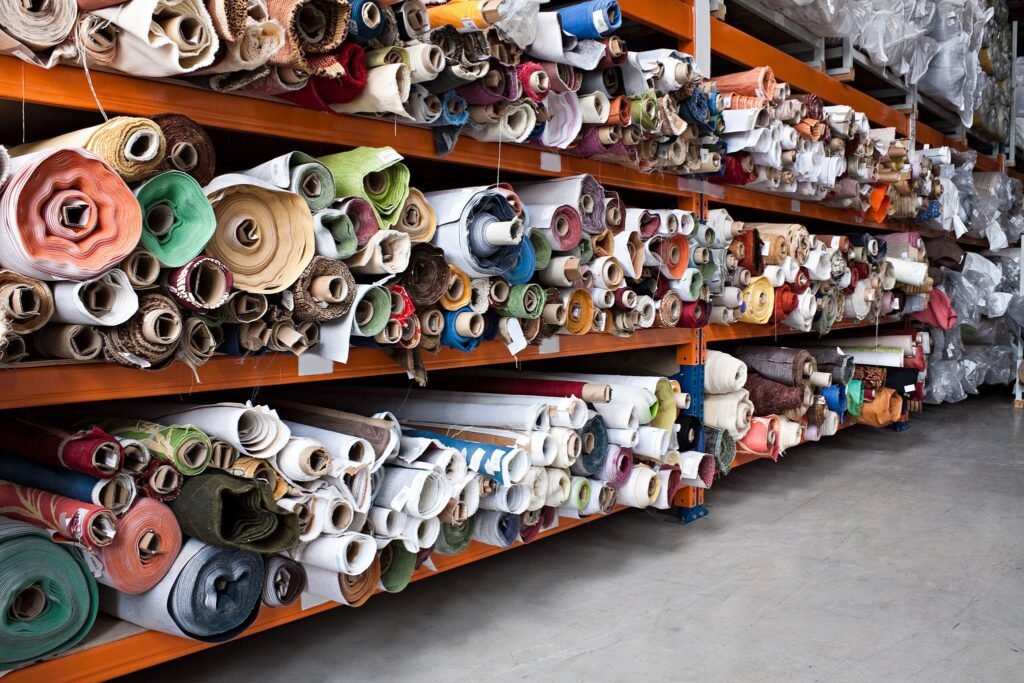
- Woven fabric manufacturing
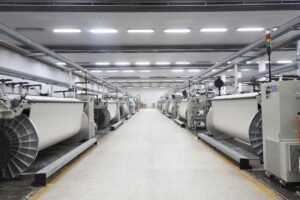
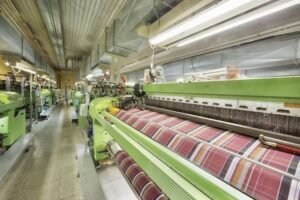
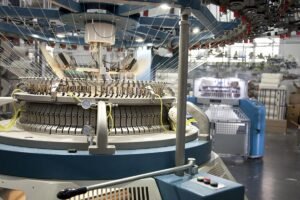
2. Knitted fabric manufacturing
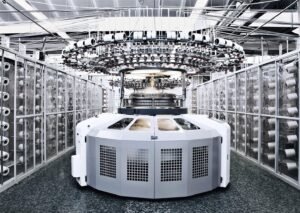
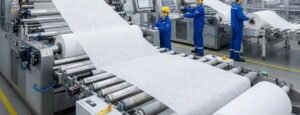
3. Non-woven fabric manufacturing
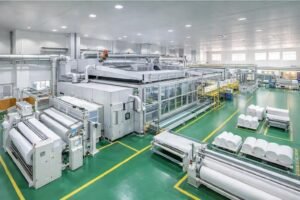
4. Braided and intertwined textile manufacturing
5. Specialized and technical fabric manufacturing
Each method creates a different fabric structure.
Fabric and fabric manufacturing form the foundation of the global textile and apparel industry. The journey from fiber to finished fabric involves a combination of material science, yarn engineering, weaving or knitting technology, dyeing, finishing, testing, and quality control.
The main methods of fabric production include weaving, knitting, and non-woven manufacturing, while specialized techniques such as braiding and advanced technical textile production serve additional applications. Each method creates a different structure and delivers different levels of comfort, strength, stretch, appearance, and performance.
As technology advances, fabric manufacturers continue to improve automation, digital production, quality consistency, resource efficiency, and product innovation. At the same time, buyers and garment manufacturers increasingly demand better traceability, reliable quality, shorter lead times, and more responsible production practices.
For apparel brands, garment factories, buying houses, and sourcing professionals, understanding the complete fabric manufacturing process makes it easier to select the right materials, communicate accurate specifications, control quality, and develop better products.
Ultimately, successful fabric production depends on one key principle: the right fiber, the right yarn, the right fabric construction, and the right finishing process must work together to meet the final product requirement.
JNC Fashion Ltd. – Your Trusted Partner for Quality Apparel Sourcing, Product Development, and Manufacturing Solutions.