

Yarn and Yarn Manufacturing
Yarn and yarn manufacturing form the foundation of the textile industry. Manufacturers create yarn by twisting or grouping fibers into a continuous strand that they use to produce textile fabrics. They make yarn from natural fibers, such as cotton and wool, as well as synthetic fibers, such as polyester and nylon. Textile mills use yarn for weaving, knitting, and many other fabric construction methods. Moreover, manufacturers choose the right yarn based on the fiber type, the desired fabric texture, and the required performance, including softness, strength, warmth, elasticity, and durability. Therefore, understanding yarn and yarn manufacturing helps textile professionals produce high-quality fabrics for different garments and textile products.
Table of Contents
Add a header to begin generating the table of contents
Types of Fibers
Every yarn begins with a fiber. In the textile industry, fibers fall into two main types based on their length: staple fibers and filament fibers. Although both types help produce yarn, they differ in structure, performance, and end use. Therefore, understanding their differences helps manufacturers, designers, and buyers choose the right yarn for different fabrics and garments.
Staple Fibers
Staple fibers are short fibers with a fixed length. Their length varies depending on the fiber type. During spinning, workers clean, align, and twist these fibers together to create yarn. As a result, the yarn gains strength and becomes suitable for weaving or knitting.
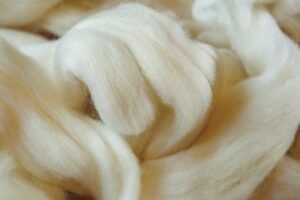
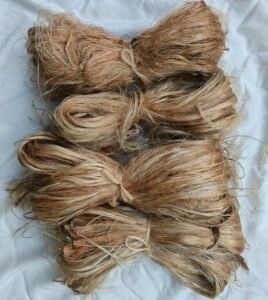
Some common staple fibers include:
- Cotton – The most widely used natural staple fiber. It offers excellent softness, breathability, and comfort for everyday clothing.
- Wool – This natural fiber provides warmth and softness, so manufacturers often use it for sweaters, jackets, and winter wear.
- Jute – This strong and durable fiber works well for bags, ropes, carpets, and home textile products.
- Flax (Linen) – Flax produces lightweight, breathable linen fabrics that people often wear in warm weather.
In general, staple fibers create soft, comfortable, and absorbent yarns. Moreover, fiber length directly affects yarn quality. Longer staple fibers produce smoother, stronger, and less hairy yarns, while shorter staple fibers often create more fuzz and a rougher surface.
Filament Fibers
Filament fibers are continuous fibers with no fixed length. Unlike staple fibers, a single filament runs through the entire length of the yarn. Consequently, filament yarn feels smoother, looks more uniform, and offers higher strength.
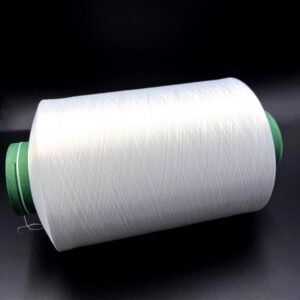
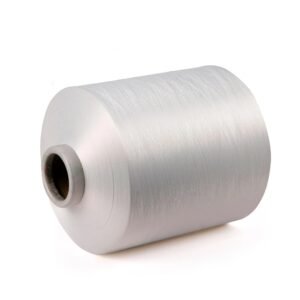
Common examples of filament fibers include:
- Silk – The only natural filament fiber, famous for its smooth texture and luxurious appearance.
- Polyester – A durable synthetic fiber that manufacturers use for sportswear, fashion, and home textiles.
- Nylon – A lightweight and strong fiber with excellent abrasion resistance.
- Rayon – A regenerated fiber that provides a soft feel and beautiful drape.
- Viscose – A rayon-based fiber that offers softness, comfort, and good moisture absorption.
Most man-made fibers start as continuous filaments. In addition, manufacturers can cut these filaments into shorter lengths whenever they need staple fibers for a specific fabric or yarn.
Staple Fibers vs. Filament Fibers
| Staple Fibers | Filament Fibers |
|---|---|
| Short fibers with a fixed length | Continuous fibers with unlimited length |
| Require spinning to make yarn | Form filament yarn directly |
| Softer, more breathable, and absorbent | Smoother, stronger, and more uniform |
| Examples: Cotton, Wool, Jute, Flax | Examples: Silk, Polyester, Nylon, Rayon |
Important: Manufacturers can cut filament fibers into staple fibers for different textile applications. However, no process can convert staple fibers back into continuous filament fibers.
Yarn Classification
Types of Yarns Used in the Textile Industry
Yarn is the foundation of every fabric. However, not all yarns are the same. Different yarn types offer different levels of strength, softness, durability, and appearance. Therefore, understanding yarn classification helps textile manufacturers, merchandisers, designers, and buyers choose the right yarn for the right application.
In the textile industry, experts usually classify yarns based on their structure. As a result, yarns fall into three main categories: staple fiber yarns (spun yarns), ply yarns, and filament yarns.
-
Staple Fiber Yarns (Spun Yarns)
Staple fiber yarns, also called spun yarns, are made from short fibers. During the spinning process, machines align and twist these fibers together to create a continuous yarn. As a result, the yarn becomes strong enough for weaving or knitting.
Manufacturers use several spinning systems to produce staple yarns, including:
- Ring Spinning
- Rotor (Open-End) Spinning
- Air-Jet Spinning
- Wrap Spinning
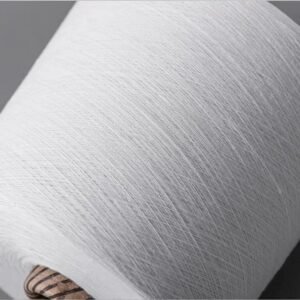
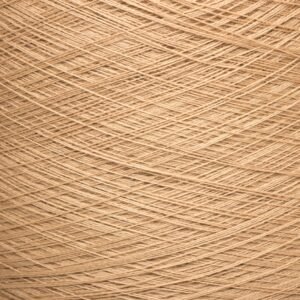
Each spinning method creates yarn with different properties. For example, ring-spun yarn feels softer and stronger, while rotor-spun yarn offers higher production speed and lower manufacturing costs.
Common Uses of Staple Fiber Yarns
Staple fiber yarns are widely used for:
- T-shirts
- Polo shirts
- Denim fabrics
- Towels
- Knitwear
- Home textiles
Because these yarns offer good comfort and moisture absorption, manufacturers often choose them for everyday clothing.
-
Ply Yarn
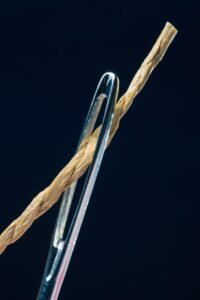
A ply yarn consists of two or more single yarns twisted together. Instead of using only one yarn, manufacturers combine multiple yarns to improve strength, durability, and yarn uniformity.
For even greater strength, manufacturers twist several ply yarns together to create a cabled yarn.
Compared with single yarn, ply yarn provides several advantages:
- Higher strength
- Better durability
- Smoother surface
- More uniform appearance
- Improved resistance to abrasion
Moreover, the twisting direction also affects yarn performance. Manufacturers identify the twist as either S-twist or Z-twist. In most cases, they apply the ply twist in the opposite direction of the original single yarn twist. Consequently, the yarn remains balanced and stable.

Common Uses of Ply Yarn
Ply yarn is commonly used for:
- Sewing threads
- High-quality fabrics
- Denim
- Industrial textiles
- Heavy-duty garments
Therefore, manufacturers select ply yarn whenever they need extra strength and durability.
-
Filament Yarns
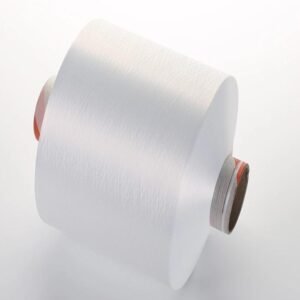
Filament yarns consist of continuous fibers that extend throughout the entire length of the yarn. Unlike staple yarns, these fibers do not require spinning from short fibers. Consequently, filament yarns have a smooth surface, high strength, and excellent uniformity.
Filament yarns fall into two main types:
Monofilament Yarn
A monofilament yarn contains one continuous filament. Because it has a single strand, it offers excellent stiffness and strength.
Common applications include:
- Fishing lines
- Medical products
- Industrial fabrics
Multifilament Yarn
A multifilament yarn contains many fine filaments twisted or grouped together. As a result, it feels softer and more flexible than monofilament yarn.
Manufacturers commonly use multifilament yarns for:
- Sportswear
- Fashion apparel
- Lingerie
- Home textiles
- Carpets
Most synthetic fibers, such as polyester and nylon, are produced as filament yarns. However, silk is the only widely used natural filament yarn.
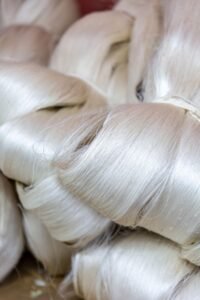
Types of Filament Yarns
Manufacturers also classify filament yarns according to the shape of the filaments. Therefore, filament yarns are divided into flat filament yarns and bulked (textured) filament yarns.
Flat Filament Yarns
Flat filament yarns contain straight and parallel filaments. As a result, they create fabrics with a smooth, clean, and shiny surface.
These yarns offer:
- Smooth appearance
- Low air permeability
- High dimensional stability
- Excellent strength
Manufacturers commonly use flat filament yarns for:
- Airbags
- Industrial fabrics
- Protective textiles
- Technical fabrics
Bulked (Textured) Filament Yarns
Bulked yarns, also called textured yarns, contain filaments that are crimped, curled, or entangled. Manufacturers create this structure through a process called texturing.
Because of this texture, the yarn gains:
- Higher volume
- Better softness
- Greater stretch
- Improved air circulation
- Better moisture and vapor permeability
Therefore, textured yarns provide greater comfort than flat yarns.
Common Uses of Textured Yarns
Textured filament yarns are widely used in:
- Stockings
- Swimwear
- Sportswear
- Underwear
- Jackets
- Carpets
- Sewing threads
Comparison of Yarn Types
| Yarn Type | Structure | Main Features | Common Applications |
| Staple Fiber Yarn | Short fibers twisted together | Soft, breathable, comfortable | T-shirts, knitwear, towels |
| Ply Yarn | Two or more single yarns twisted together | Strong, durable, smooth | Sewing thread, denim, industrial fabrics |
| Filament Yarn | Continuous fibers | Smooth, uniform, high strength | Sportswear, carpets, technical textiles |
Conclusion
Choosing the right yarn is essential because every yarn type offers unique benefits. Staple fiber yarns provide comfort and softness for everyday garments. Ply yarns deliver extra strength and durability for demanding applications. Meanwhile, filament yarns offer a smooth appearance, excellent strength, and consistent quality.
Furthermore, manufacturers can select flat filament yarns when they need smooth and compact fabrics. On the other hand, they often choose textured filament yarns for garments that require softness, stretch, and better breathability. Therefore, understanding yarn classification helps textile professionals select the best yarn for every fabric and end use.
To learn more about yarn and yarn manufacturing or to find reliable textile sourcing, product development, and garment manufacturing solutions in Bangladesh, visit JNC Fashion Ltd., a trusted apparel buying house serving global brands.