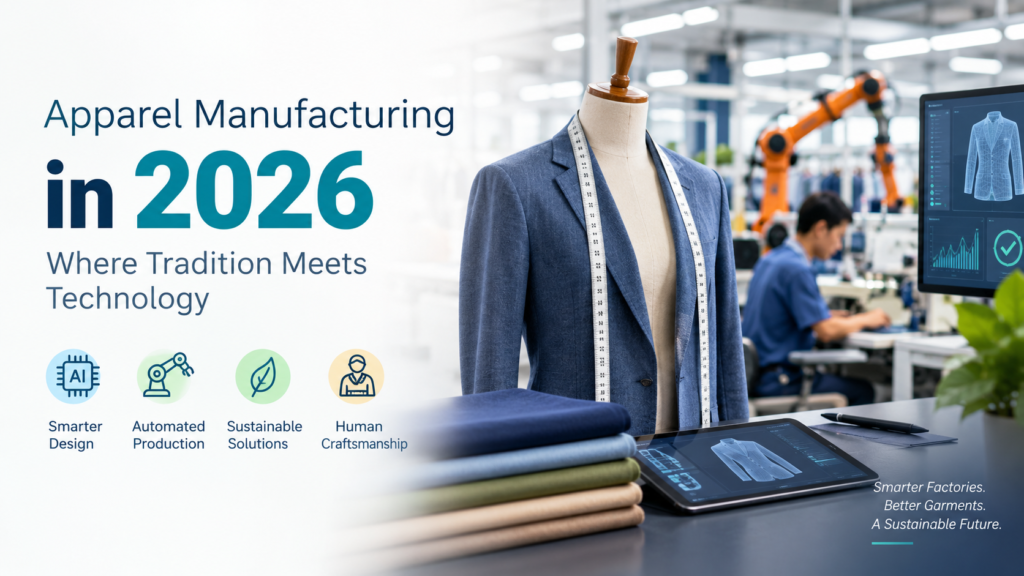
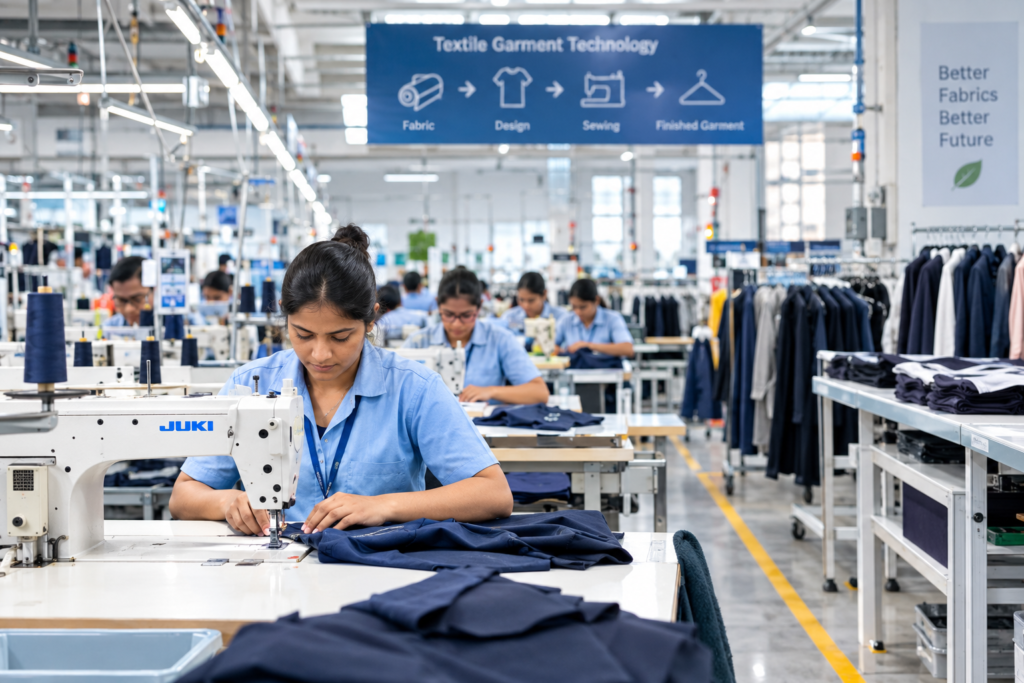
Textile garment technology connects fabric, design, machines, people, and production methods to create finished clothing. Every garment starts with an idea, but many steps turn that idea into a product that people can wear.
Today, garment factories use modern machines, software, automation, and advanced production systems. However, technology does not replace human knowledge. Skilled merchandisers, designers, pattern makers, operators, technicians, and quality teams still play an important role.
Moreover, successful garment production needs more than fast machines. It needs the right fabric, accurate measurements, good construction, proper finishing, and careful quality control.
From a simple T-shirt to a technical sports jacket, every garment follows a production journey. Therefore, understanding garment technology helps professionals make better decisions about quality, cost, production time, and customer requirements.
What Is Textile Garment Technology?
Textile garment technology covers the methods, tools, machines, and skills used to convert textile materials into finished garments.
First, the process starts with fabric selection. Next, designers and pattern makers develop the garment shape. Then, cutting and sewing teams turn fabric pieces into a complete product. Finally, finishing and quality teams prepare the garment for shipment.
The process also includes important technical areas such as:
- Fabric inspection
- Pattern making
- Grading
- Marker making
- Fabric spreading
- Cutting
- Sewing
- Pressing
- Washing
- Embroidery
- Printing
- Garment finishing
- Quality control
- Packing
Furthermore, modern garment technology uses CAD systems, automated cutting machines, production software, digital sampling, and data analysis.
However, technology works best when skilled people control the process. A machine can follow instructions, but an experienced professional can identify fabric problems, fitting issues, construction risks, and quality concerns before they become expensive problems.
From Fabric to Finished Garment
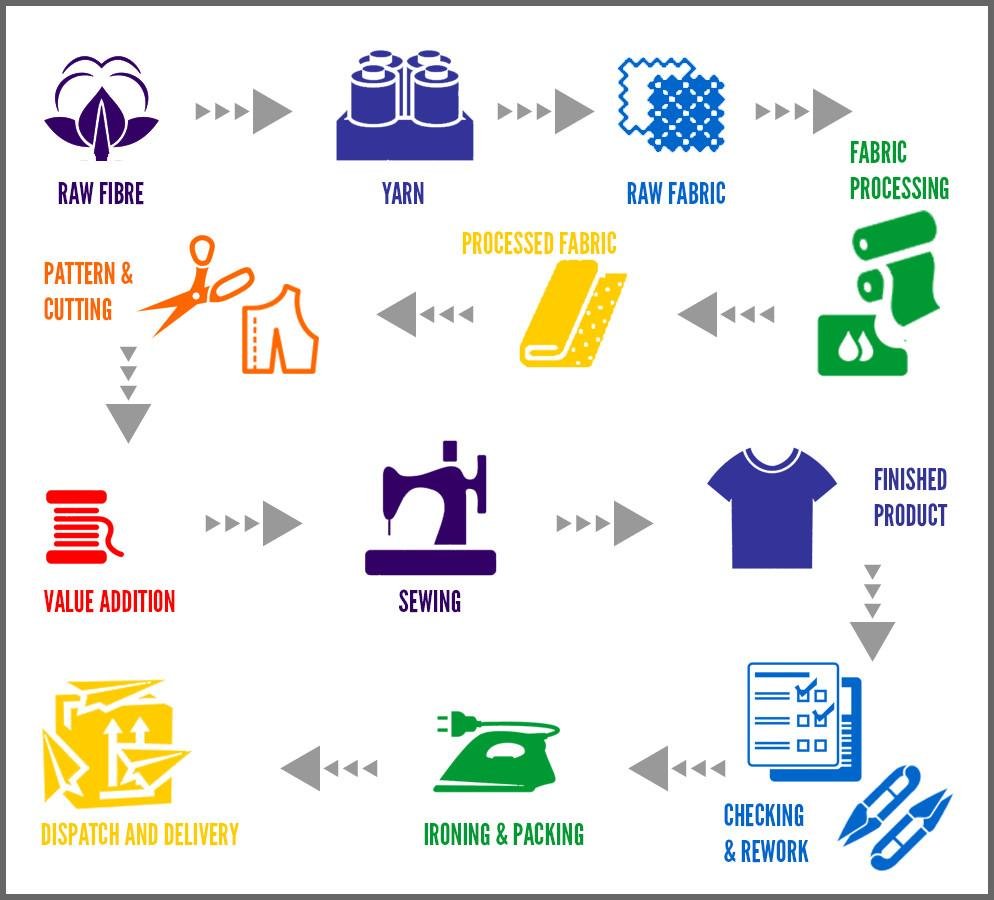
The garment production process looks simple from the outside. However, many technical steps happen before a garment reaches a customer.
First, the factory receives the fabric and checks its quality. The team then relaxes and spreads the fabric according to the required method. After that, cutting machines or cutting teams cut the fabric into different garment components.
Next, operators assemble these components through sewing. Different machines perform different operations. For example, factories use lockstitch machines, overlock machines, flatlock machines, coverstitch machines, and specialized machines for particular operations.
After sewing, the garment may go through washing, pressing, embroidery, printing, or other finishing processes. Finally, the quality team checks the finished product.
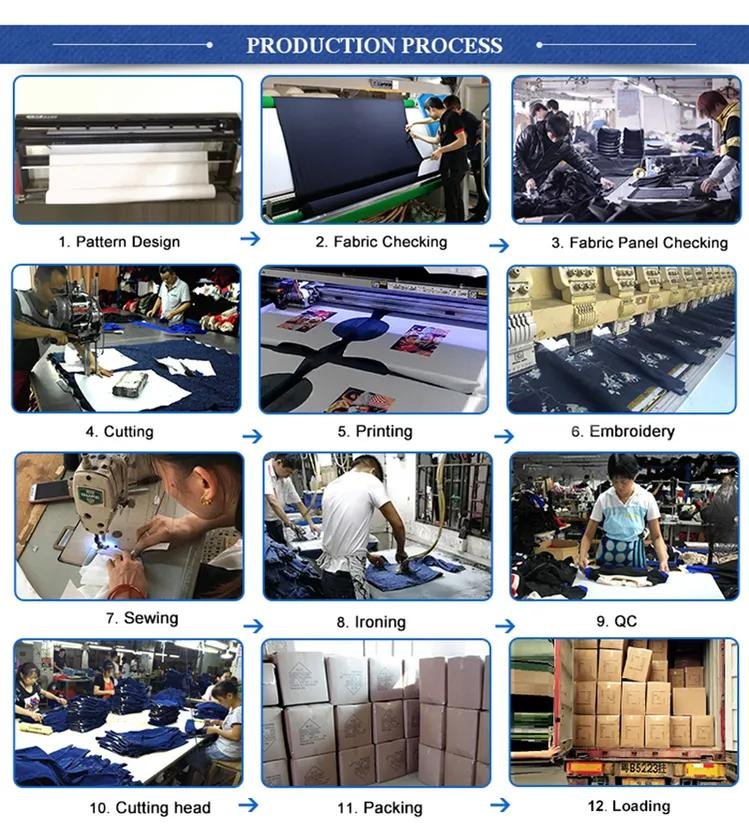
Therefore, each stage needs proper control. A small mistake during cutting can create problems during sewing. Similarly, poor sewing can create fitting or appearance problems during final inspection.
Pattern Making and Garment Design
Pattern making forms the technical foundation of a garment. It converts a designer’s idea into individual fabric pieces that can create the required shape.
A pattern maker studies measurements, garment construction, fabric behavior, and the desired fit. Then, the pattern maker develops pieces such as the front, back, sleeve, collar, cuff, waistband, or pocket.
Today, many factories use Computer-Aided Design (CAD) systems. CAD allows pattern makers to create, modify, grade, and store patterns digitally.
Moreover, digital patterns can save time during product development. Teams can quickly adjust measurements and create different sizes.
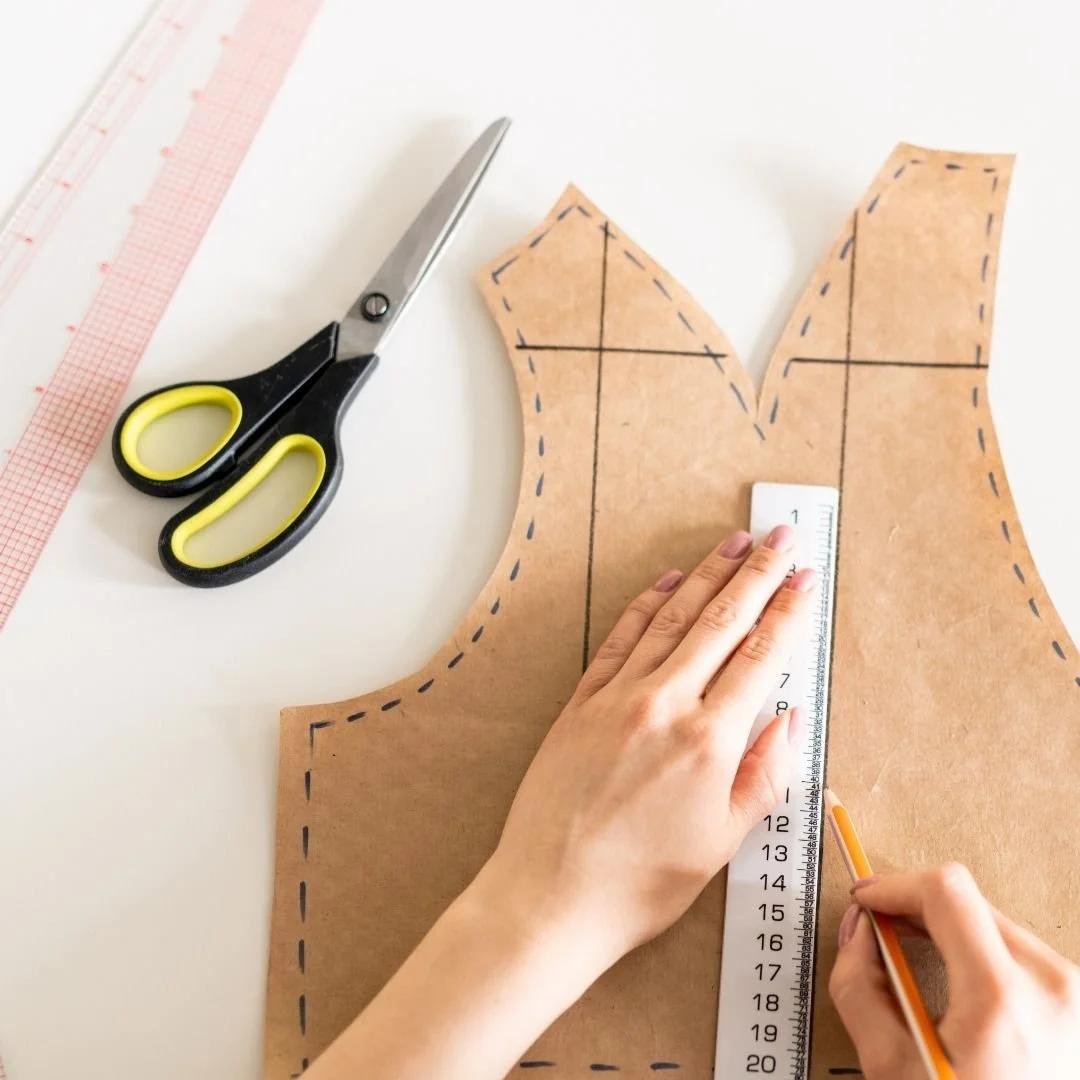
However, software alone cannot guarantee a good fit. The pattern maker must understand how different fabrics behave. A stretch jersey, for example, needs a different approach from a rigid woven fabric.
Therefore, successful pattern making combines technology with practical garment knowledge.
Fabric Selection and Preparation
Fabric directly affects the appearance, comfort, durability, and performance of a garment. Therefore, fabric selection plays a major role in textile garment technology.
Before production, factories normally inspect fabric for defects, shade variation, width problems, shrinkage, and other issues.
The team also checks important fabric properties. These may include:
- Fabric composition
- GSM
- Width
- Stretch
- Shrinkage
- Color fastness
- Spirality
- Pilling
- Appearance
- Hand feel
Furthermore, fabric preparation helps reduce production problems. For example, knitted fabrics may need relaxation before cutting because tension can affect measurements.
Woven fabrics may also require careful spreading to control shade, stripe, check, or print alignment.
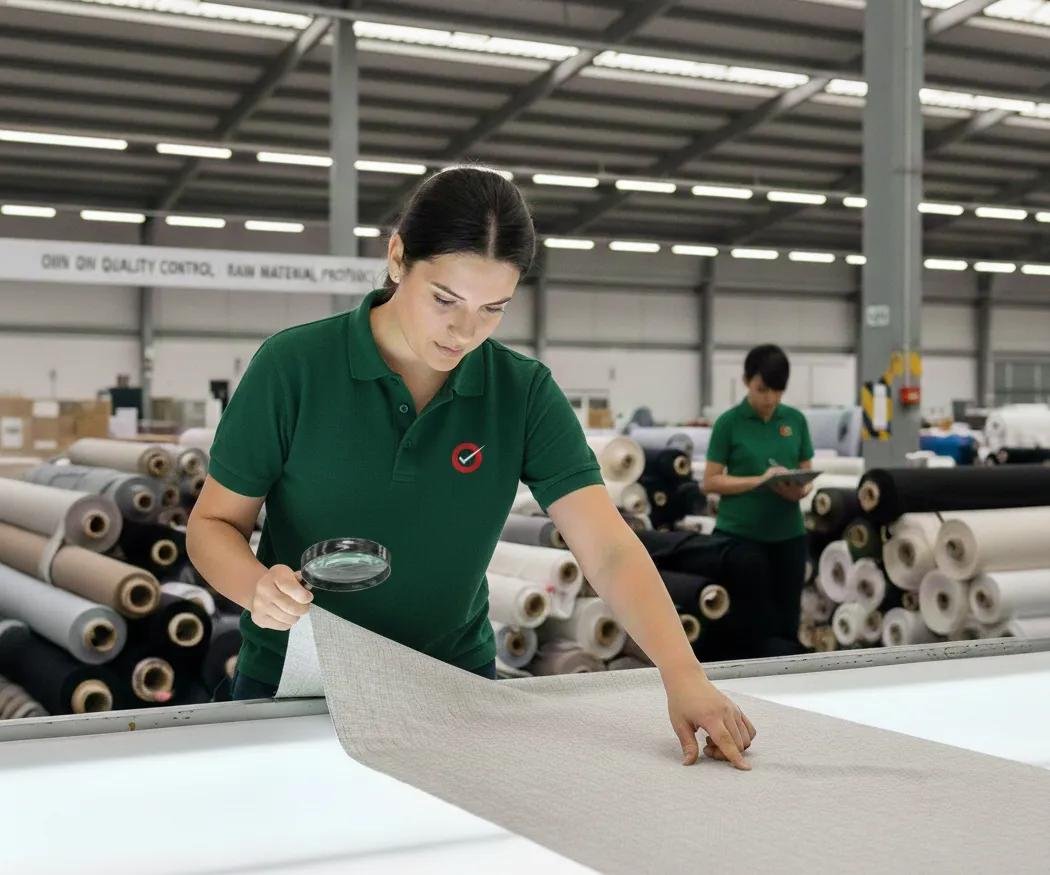
As a result, proper fabric control helps improve cutting accuracy and reduces fabric waste.
Fabric Spreading and Cutting
After fabric inspection and preparation, the factory moves to spreading and cutting.
During spreading, workers or automatic spreading machines place fabric layers on the cutting table. The team must control fabric tension, alignment, direction, and ply height.
Next, the cutting team follows the approved marker. The marker shows how pattern pieces should fit together on the fabric.
Good marker planning can reduce fabric waste. Therefore, efficient marker making has a direct effect on garment cost.
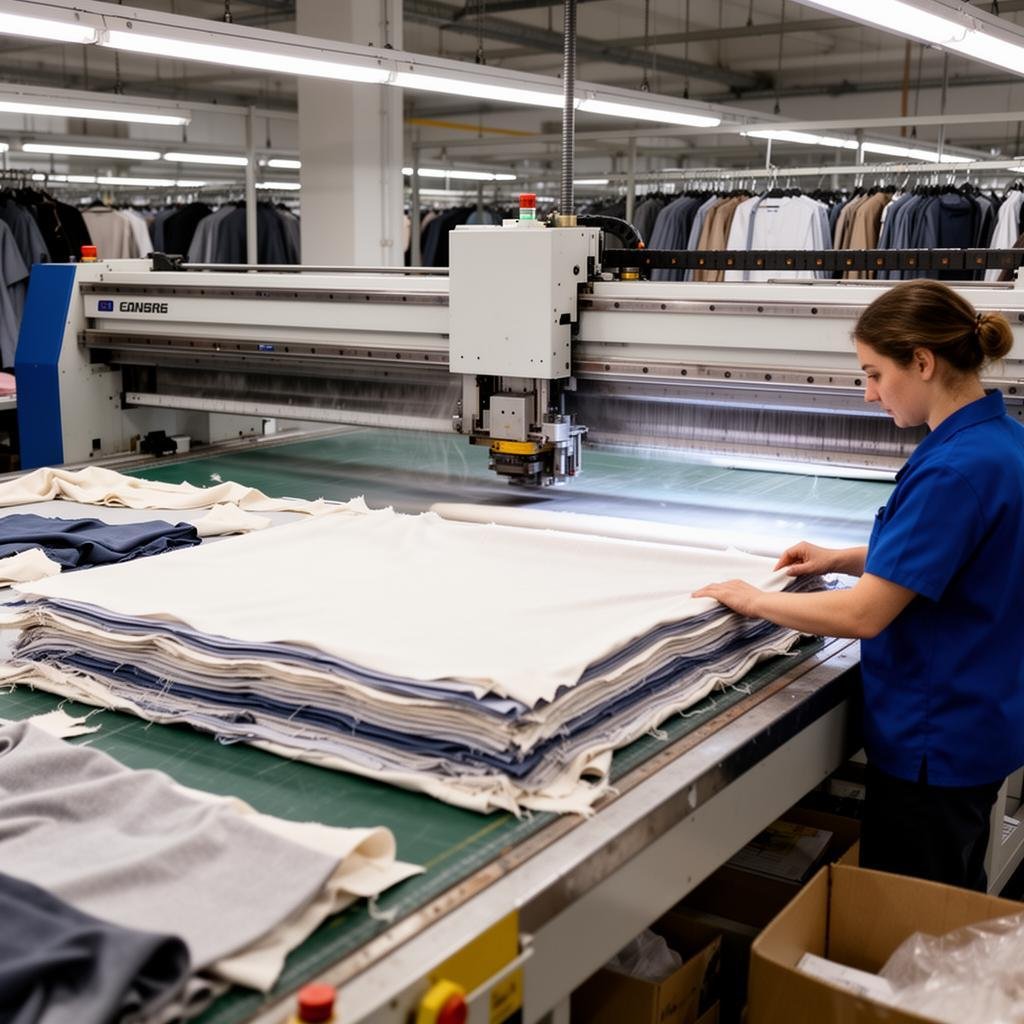
Factories may use straight knife machines, band knife machines, die-cutting systems, or automatic CNC cutting machines.
However, cutting accuracy remains critical. Even a small cutting error can affect garment measurements and sewing quality.
For this reason, cutting teams should check the first output carefully. They should also monitor numbering and bundling so that garment panels maintain the correct size and shade throughout production.
Sewing Technology
Sewing remains one of the most important stages of garment production. Here, individual fabric components become a complete garment.
Different garment operations require different sewing machines. For example, an overlock machine joins and finishes fabric edges, while a coverstitch machine commonly creates hems on knit garments.
Factories may also use special machines for buttonholes, buttons, bartacks, pockets, collars, waistbands, and other operations.
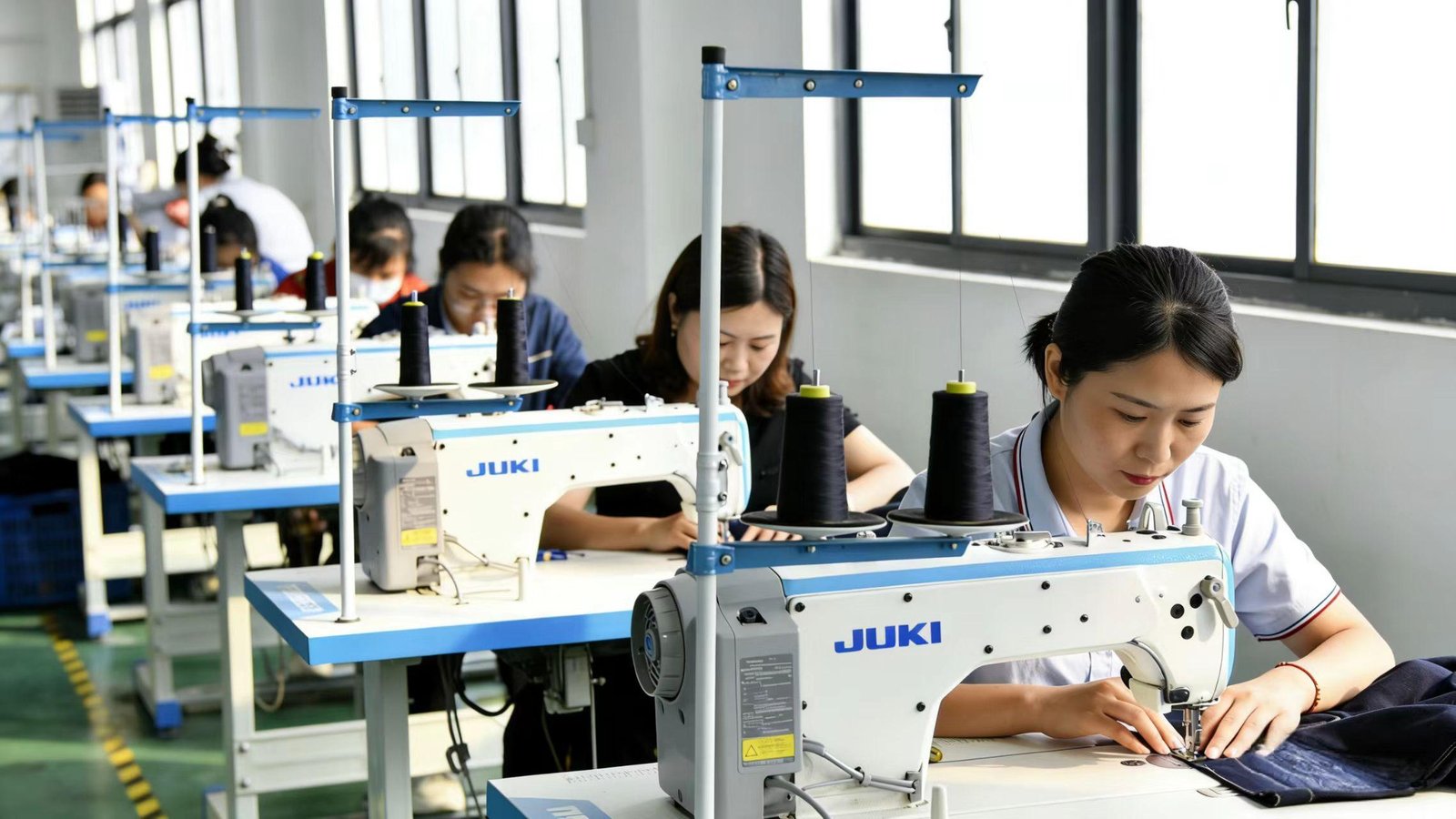
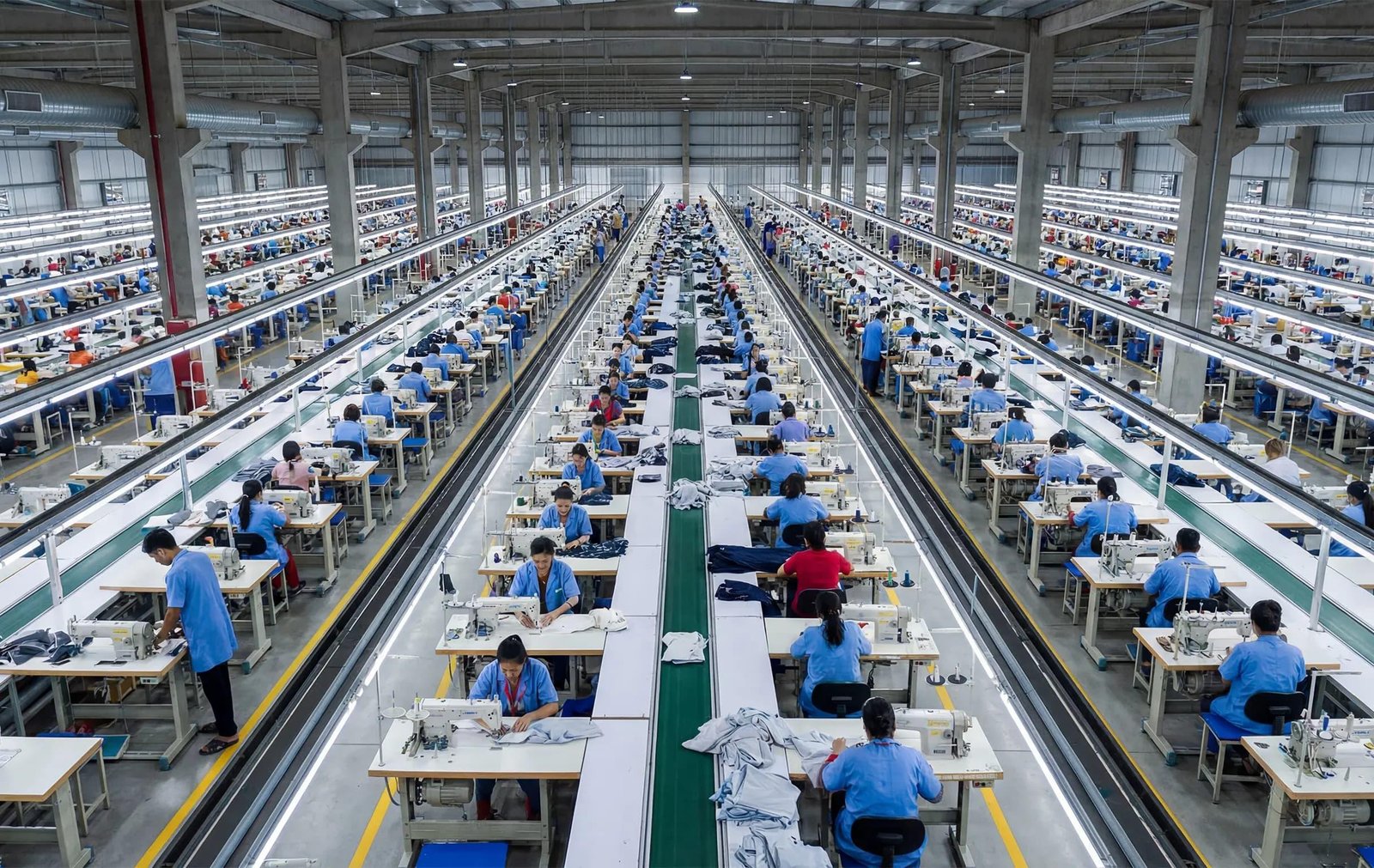
Furthermore, production teams use sewing lines to organize work. Each operator normally performs a specific operation according to the production layout.
Modern factories also use line balancing, production tracking systems, and automated equipment to improve efficiency.
However, sewing quality depends heavily on operator skill. Thread tension, needle selection, stitch density, machine settings, and fabric behavior can all affect the final result.
Therefore, operators need proper training and regular machine maintenance.
Garment Finishing
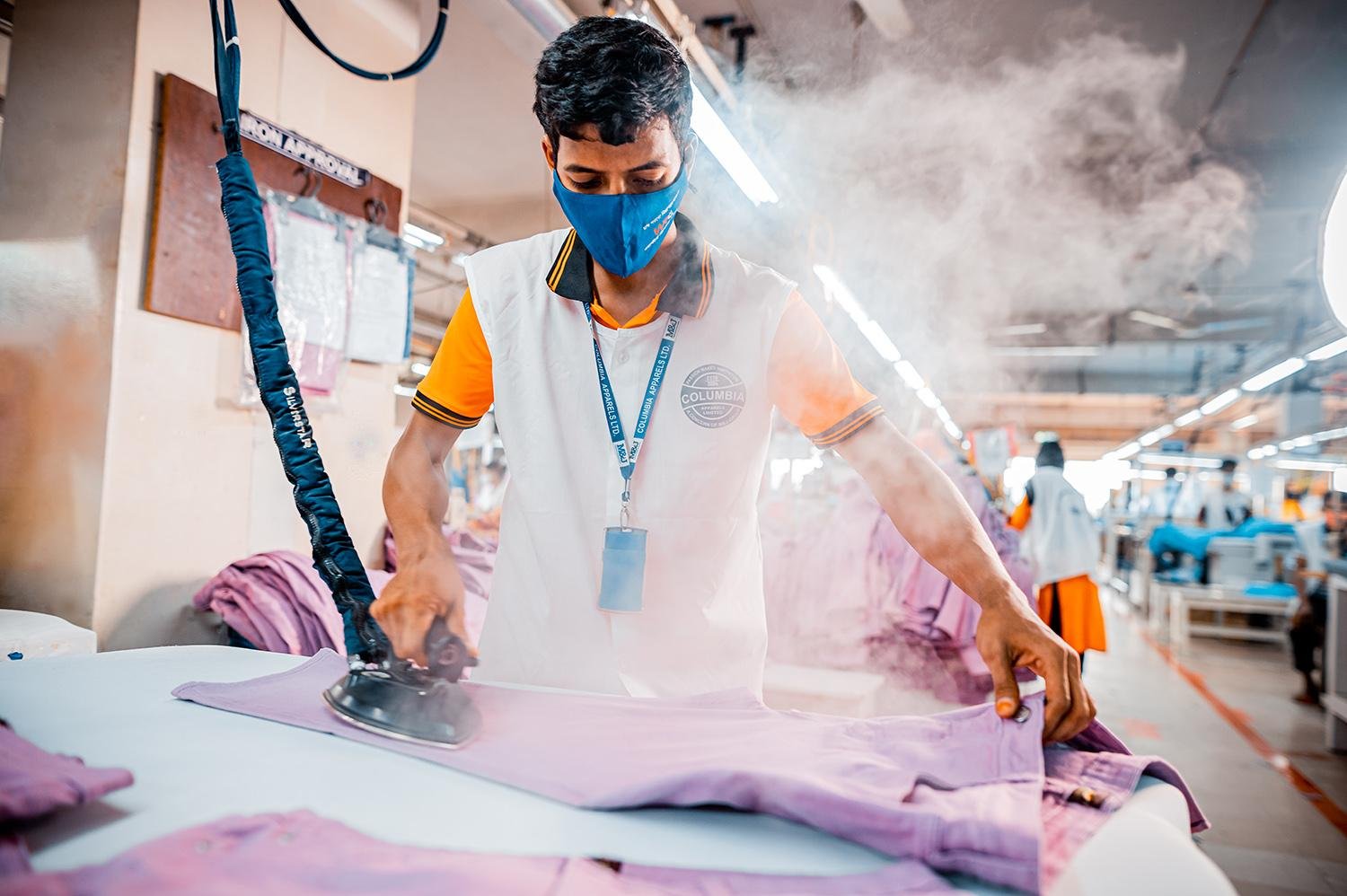
Garment finishing gives the product its final appearance and feel. Depending on the product, finishing can include pressing, trimming, washing, softening, embroidery, printing, or special treatments.
For example, denim garments may receive stone washing, enzyme washing, or other effects. Knit garments may receive softening treatments to improve hand feel.
Printing and embroidery can also add design value. However, these processes require careful control. Problems such as print peeling, poor embroidery density, shade variation, or incorrect placement can reduce garment quality.
After finishing, workers trim loose threads and remove unwanted marks. They then press the garments according to the required appearance.
Finally, the quality team checks the finished garments before packing.
Thus, finishing is not simply the last step. It can strongly influence how customers see the quality of a garment.
Quality Control in Garment Technology
Quality control starts before production and continues until shipment.
First, factories inspect raw materials. Then, quality teams monitor cutting, sewing, finishing, measurement, appearance, and packing.
A strong quality system can include:
- Fabric inspection
- Pre-production inspection
- Cutting inspection
- Inline inspection
- End-line inspection
- Final inspection
- Measurement checking
- Packing inspection
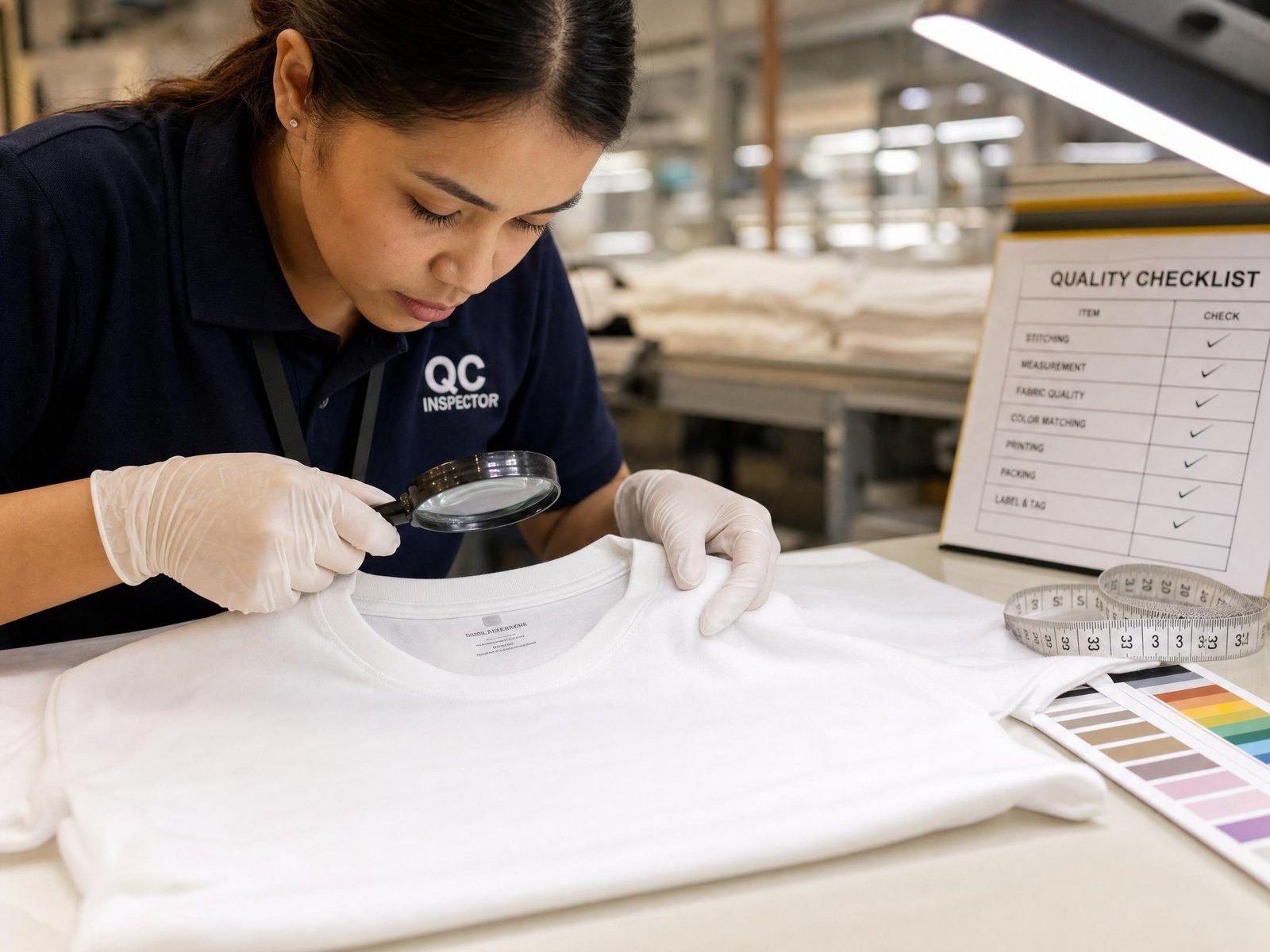
Moreover, factories often use an AQL (Acceptable Quality Limit) system during final inspection. Buyers may also have their own quality standards and testing requirements.
Quality teams should not only find defects. They should also identify the reason behind those defects.
For example, repeated skipped stitches may indicate a machine setting or needle problem. Similarly, measurement variation may come from incorrect cutting, sewing tension, or pattern issues.
Therefore, root-cause analysis helps factories prevent repeated problems instead of simply repairing defective pieces.
The Role of Automation
Automation has changed garment production significantly. Modern factories can use automatic spreading, computerised cutting, digital pattern systems, automatic sewing equipment, production monitoring, and other smart technologies.
These systems can improve speed, accuracy, and production control.
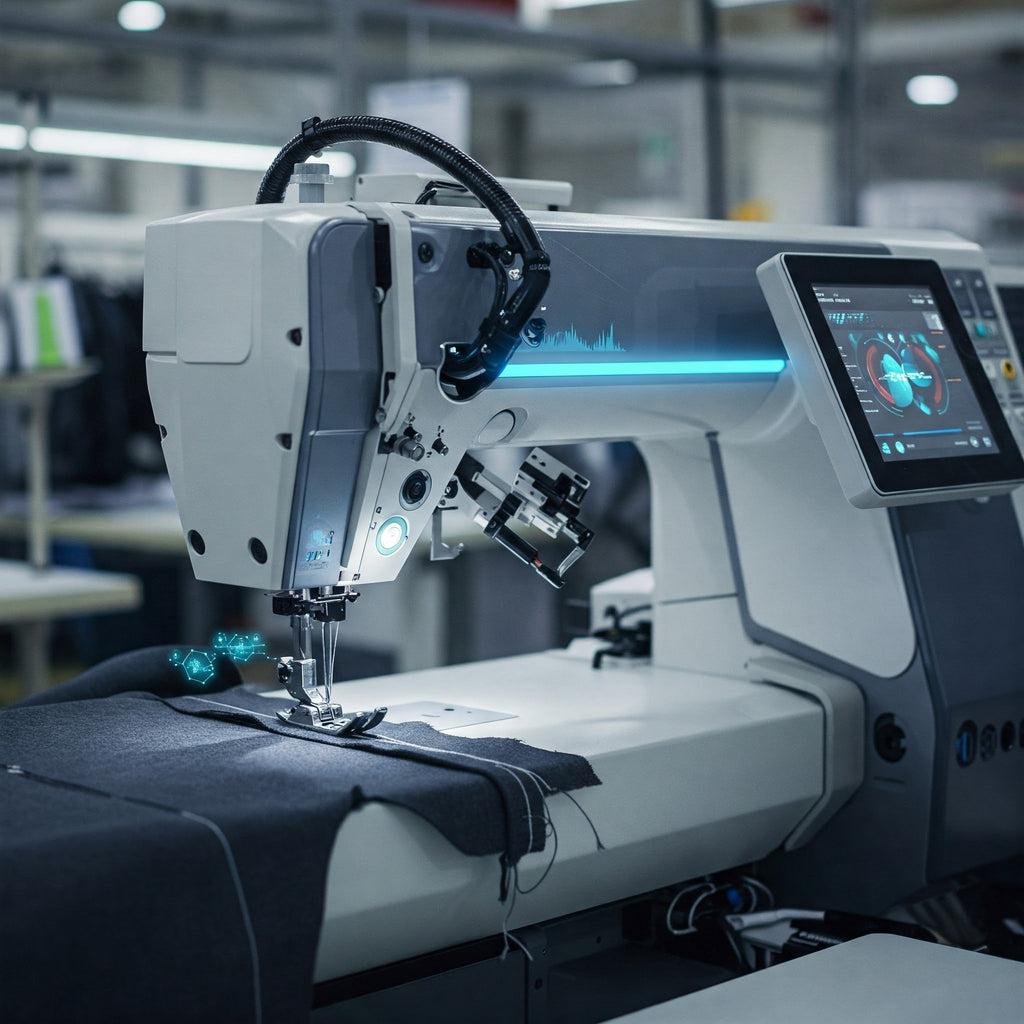
For example, automatic cutting can reduce manual cutting errors. Digital production systems can also provide information about output, efficiency, and production delays.
However, automation does not mean that every garment operation can become fully automatic. Garments have different fabrics, shapes, constructions, and finishing requirements.
Therefore, factories need to select automation based on product type, production volume, investment cost, and expected benefits.
The best approach often combines automation with skilled workers rather than trying to remove people from every process.
Digital Technology in Garment Production
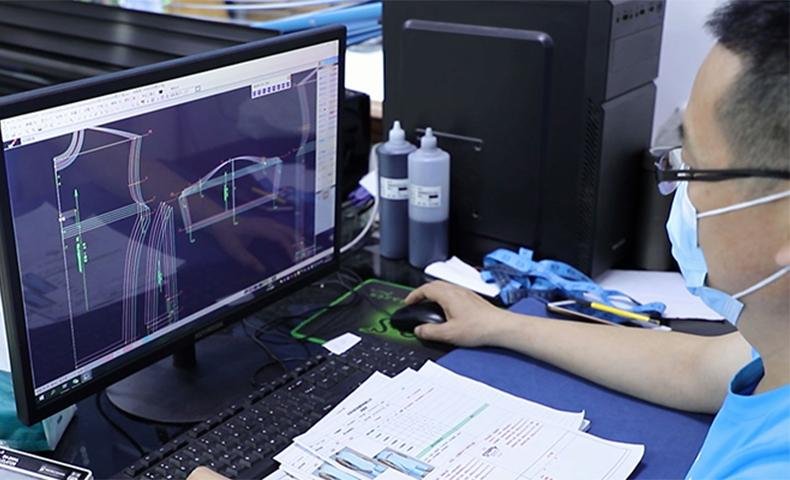
Digital technology now supports many areas of the apparel industry.
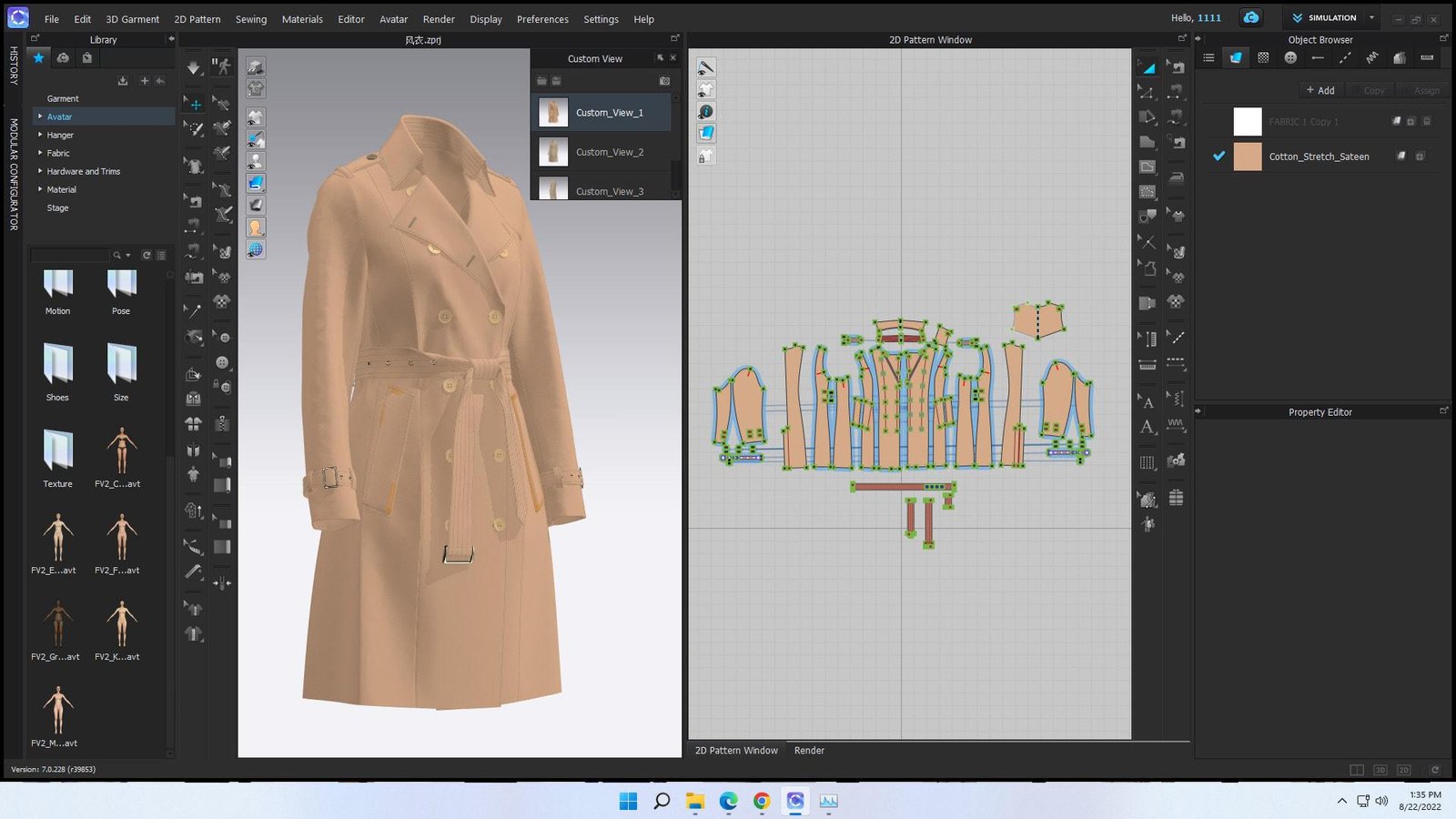
Designers can create digital samples before making physical samples. Pattern makers can modify designs quickly. Merchandisers can share technical information with factories and buyers through digital platforms.
In addition, factories can use production management software to track orders, materials, output, and delivery schedules.
Digital sampling can also reduce the number of physical samples during product development. As a result, companies can save time, reduce material use, and speed up approvals.

Artificial intelligence may further improve forecasting, quality inspection, product development, and supply chain planning.
However, digital tools still need accurate data and experienced professionals. Poor information can produce poor decisions, even when the technology looks advanced.
Sustainability in Garment Technology
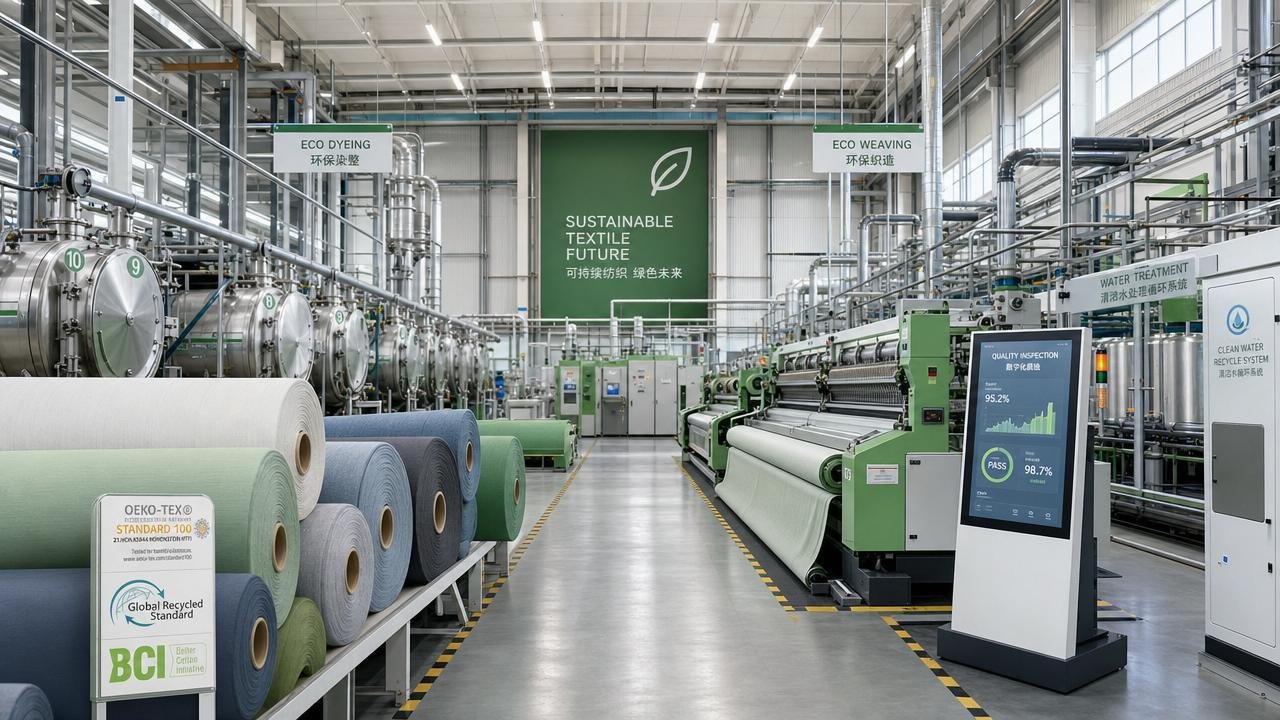
Sustainability has become an important part of modern garment technology.
The industry can reduce environmental impact by using better materials, reducing fabric waste, improving energy efficiency, controlling water use, and managing chemical processes responsibly.
For example, efficient marker planning can reduce cutting waste. Better production planning can reduce unnecessary material consumption. Digital sampling can reduce physical sample waste.
Furthermore, factories can explore recycled fibers, responsible materials, water-saving processes, renewable energy, and improved wastewater treatment.
Sustainable production also includes people. Safe workplaces, fair treatment, proper training, and responsible working conditions remain important.
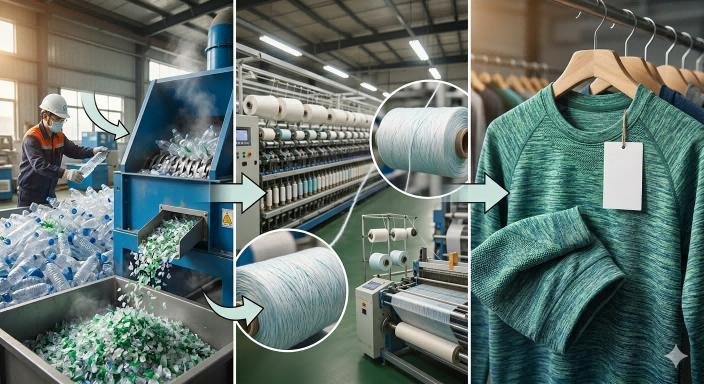
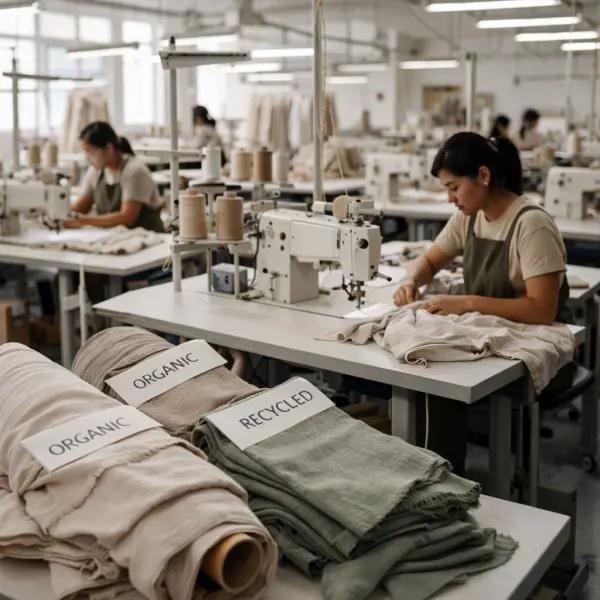
Therefore, sustainable garment technology should focus on both environmental performance and human well-being.
The Human Skill Behind Garment Technology
Modern machines can improve production, but people still make many important decisions.
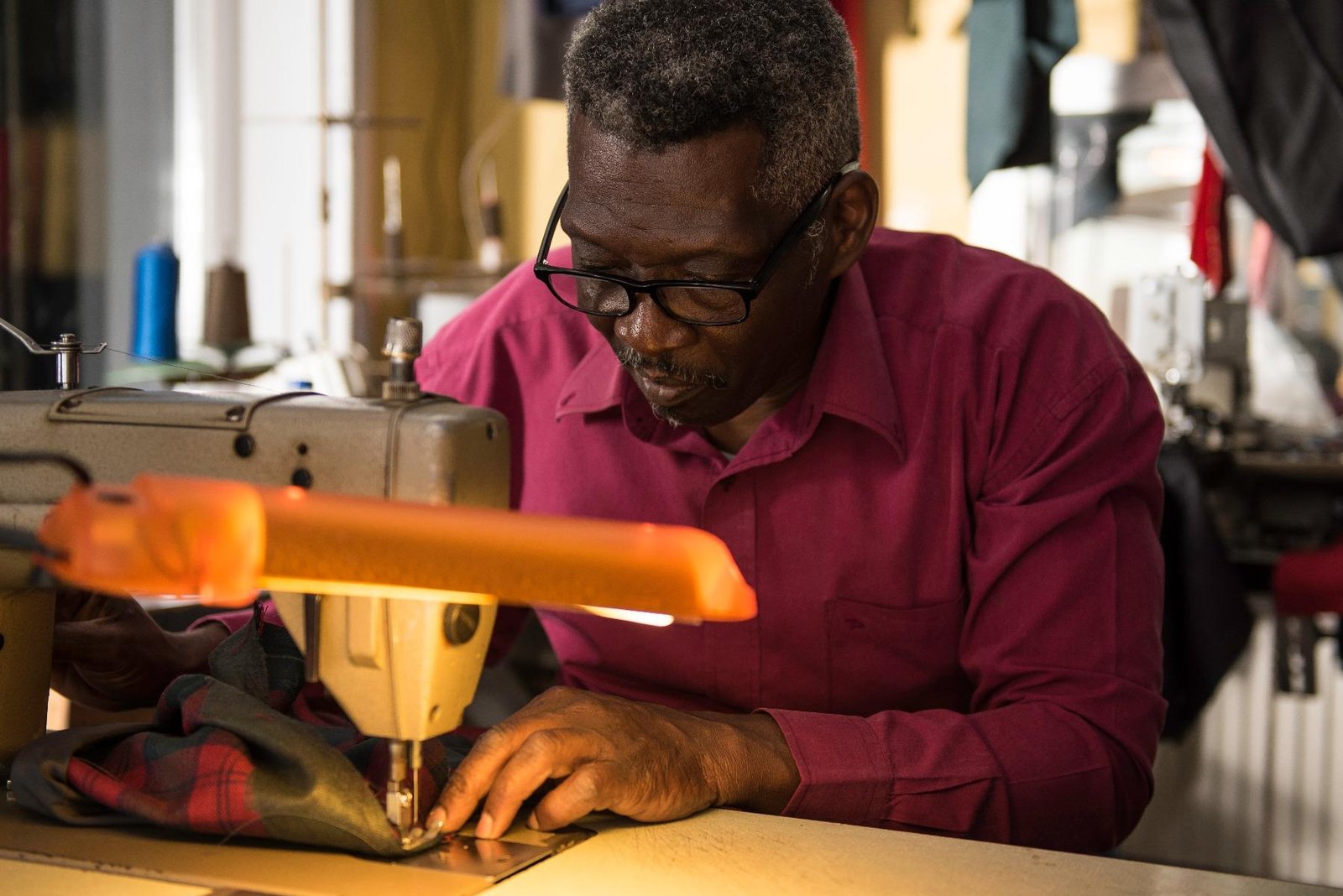
A skilled technician can understand why a seam is twisting. An experienced pattern maker can identify a fitting problem. A merchandiser can connect buyer requirements with factory capabilities. A quality professional can recognize a recurring defect before it becomes a major claim.
Moreover, experienced workers often solve problems that software cannot easily predict.
This human knowledge comes from training and years of practical experience. Therefore, garment technology should not focus only on machines.
Instead, the future of apparel production will depend on a balance between people, technology, data, and responsible production.
Future of Textile Garment Technology
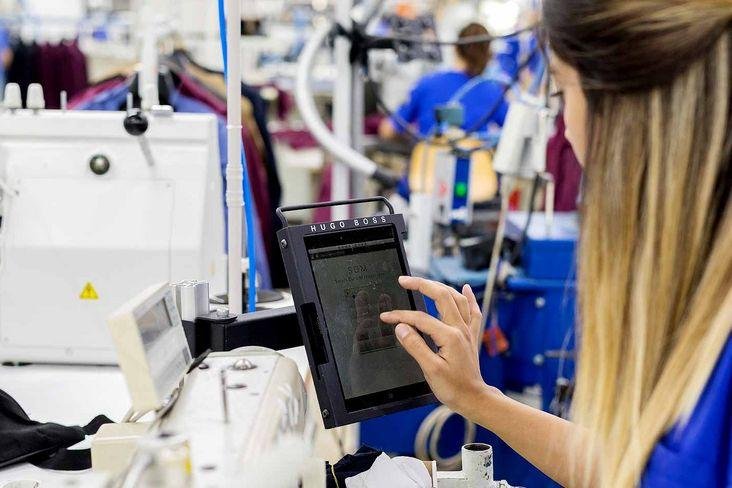
The future of garment production will become more digital, automated, and data-driven.
Smart factories will use connected machines, real-time production data, digital product development, automated inspection, and artificial intelligence.
At the same time, customers will continue to demand better quality, faster delivery, greater transparency, and more sustainable products.
Consequently, garment professionals will need new skills. Technical knowledge will remain important, but digital skills, data analysis, sustainability knowledge, and problem-solving will become equally valuable.
Factories that invest in both technology and people will have a stronger position in the global apparel market.
Conclusion
Textile garment technology brings together design, fabric, pattern making, cutting, sewing, finishing, quality control, and modern digital systems. Although machines continue to improve, people remain at the center of garment production.
From the first pattern to the final inspection, every stage affects the quality of the finished product. Therefore, successful garment manufacturing requires careful planning, skilled workers, suitable technology, and strong quality control.
Most importantly, the future should not be about technology replacing people. Instead, it should be about technology helping skilled people work better, faster, and more sustainably.
That balance can create garments that offer better quality, comfort, value, and responsibility for both brands and consumers.